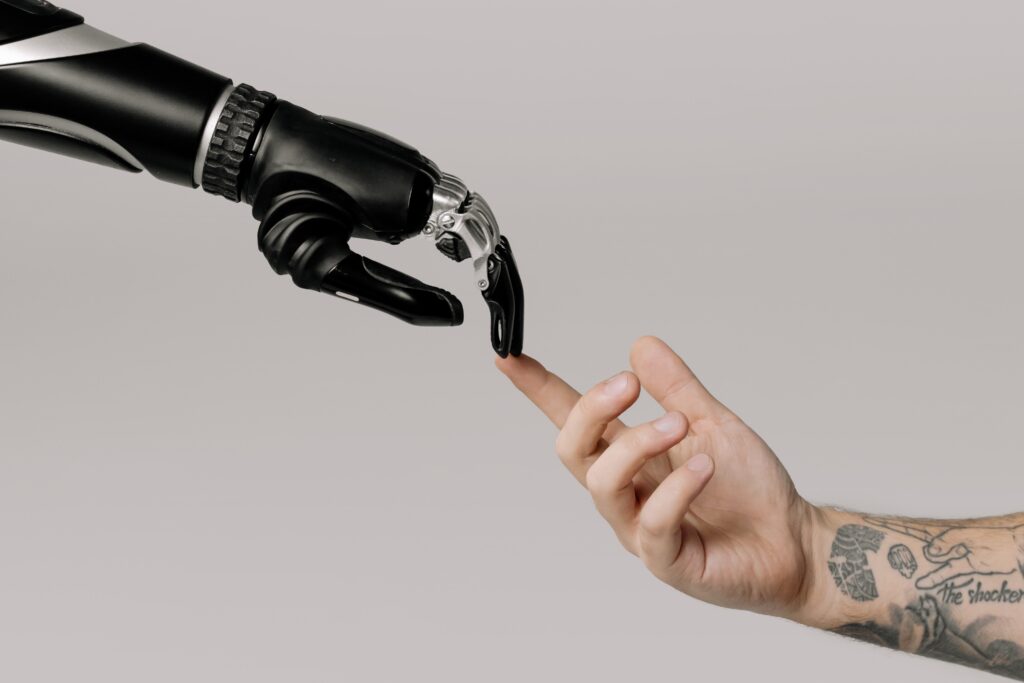
Artificial Intelligence (AI) is a groundbreaking field of computer science that focuses on creating intelligent machines capable of performing tasks that typically require human intelligence. AI systems are designed to analyze data, learn from patterns, make informed decisions, and adapt their behavior based on new information. In recent years, AI has gained significant attention and is rapidly transforming various industries, from healthcare and finance to transportation and entertainment. In this article, we will explore everything you need to know about AI, its types, applications, and potential impact on society.
Understanding Artificial Intelligence
At its core, AI aims to replicate human intelligence in machines. It encompasses a wide range of techniques, algorithms, and methodologies that enable computers to perceive, reason, learn, and interact in ways that mimic human cognitive abilities. AI systems can process large amounts of data, identify patterns, and make predictions or decisions based on that information.
Types of Artificial Intelligence
The categorization of AI into distinct types is determined by its diverse array of capabilities and functionalities.
1. Narrow AI (Weak AI)
Narrow AI, commonly referred to as Weak AI, pertains to AI systems crafted with the purpose of executing precise tasks within a confined domain. These systems excel in their specialized area but lack the ability to generalize beyond their intended purpose. Examples of narrow AI include virtual assistants like Siri and Alexa, image recognition algorithms, and recommendation systems used by online platforms.
2. General AI (Strong AI)
General AI, also known as Strong AI or Artificial General Intelligence (AGI), represents AI systems that possess human-level intelligence across various domains. This type of AI would be capable of understanding, learning, and applying knowledge in a manner similar to humans. However, achieving true general AI remains an ongoing research challenge, and the development of such systems is still in its early stages.
Applications of AI
AI has already made a significant impact on numerous industries, improving efficiency, enhancing decision-making processes, and enabling new capabilities. Here are some prominent applications of AI:
1. Healthcare
AI is transforming healthcare by aiding in diagnostics, analyzing medical images, predicting disease outcomes, and assisting in drug discovery. AI algorithms can quickly analyze vast amounts of patient data and identify patterns that may go unnoticed by humans, leading to more accurate diagnoses and personalized treatments.
2. Finance
AI is revolutionizing the finance industry with automated trading systems, fraud detection algorithms, and personalized financial advice. AI models can analyze vast amounts of financial data, detect anomalies, predict market trends, and provide valuable insights for investment strategies.
3. Transportation
The transportation sector is witnessing a major transformation with AI-powered technologies. Self-driving cars and autonomous vehicles rely on AI algorithms to navigate roads, make real-time decisions, and enhance safety. AI is also used for optimizing traffic flow, managing logistics, and improving transportation infrastructure.
4. Customer Service
AI-powered chatbots and virtual assistants are revolutionizing customer service. These intelligent systems can understand and respond to customer inquiries, provide personalized recommendations, and assist with problem-solving, offering a more efficient and personalized customer experience.
5. Manufacturing
AI is reshaping the manufacturing industry with automated processes, predictive maintenance, and quality control systems. AI-powered robots and machines can perform repetitive tasks, monitor production lines, detect anomalies, and optimize operations, resulting in increased productivity and reduced costs.
The Impact of AI on Society
While AI brings numerous benefits and opportunities, it also raises important considerations and challenges. Here are a few key points to ponder:
Ethical Concerns
AI raises ethical questions regarding privacy, data security, algorithmic bias, and job displacement. As AI becomes more pervasive, it is crucial to establish ethical guidelines and regulations to ensure responsible and unbiased AI development and deployment.
Job Market and Skills
AI’s automation potential may impact the job market, leading to the displacement of certain roles. However, it also creates new opportunities and demands for AI-related skills. Nurturing a workforce with AI literacy and fostering continuous learning will be vital for individuals to adapt to the changing job landscape.
Socioeconomic Impact
AI has the potential to exacerbate socioeconomic inequalities if access and benefits are not distributed equitably. Efforts should be made to ensure that AI technologies are accessible to all and contribute to inclusive growth and societal well-being.
Conclusion
Artificial Intelligence is a transformative technology that holds immense potential to revolutionize various aspects of our lives. From narrow AI applications that we encounter daily to the pursuit of general AI, AI systems are continuously evolving. As we embrace the advancements in AI, it is crucial to address ethical considerations, promote responsible AI development, and leverage its capabilities to create a positive impact on society.